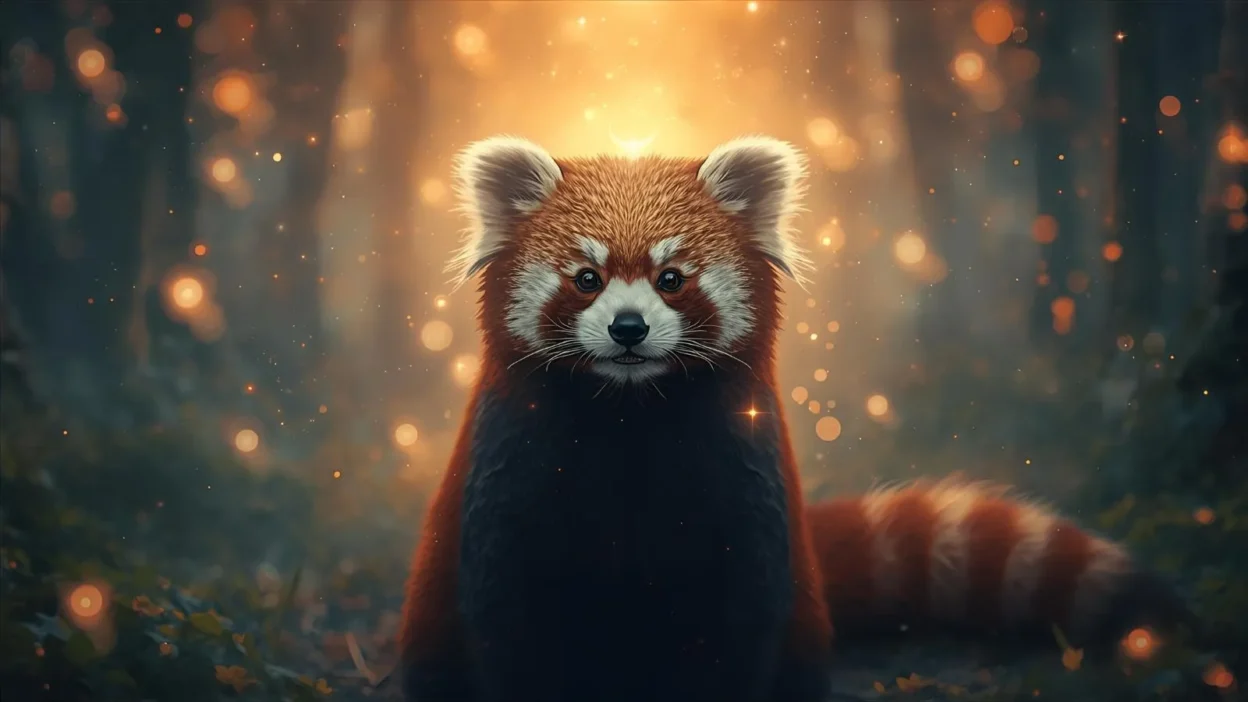
I’ll never forget the first time I saw a red panda at a quiet wildlife sanctuary. It wasn’t loud or fast like a tiger or lion.
Instead, it moved slowly, with a peaceful grace. It seemed to pause and take in the moment, as if reminding me to slow down too.
That small moment, with a small animal, changed me deeply.
Have you ever come across a red panda in real life, in a dream, or maybe even while watching a movie?
That encounter may not be random. Spirit animals often appear when we need guidance. And the red panda’s symbolism is more powerful than most people realize.
Let’s explore what the red panda is trying to teach your soul.
Red Panda Symbolism in China
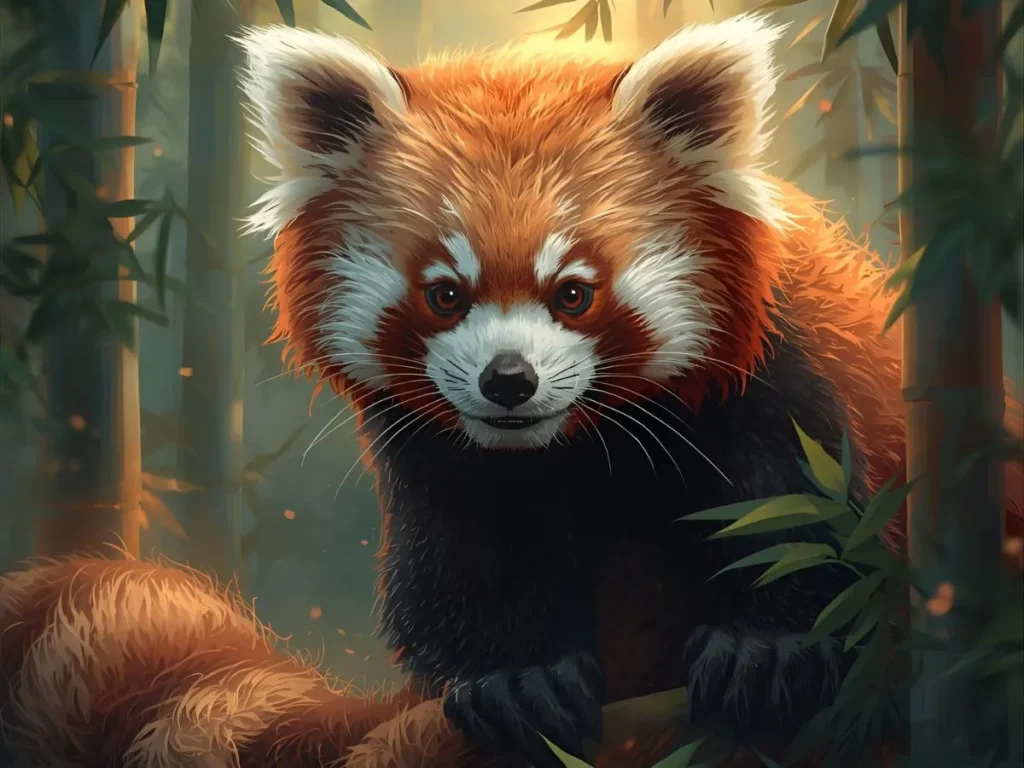
In Chinese culture, the red panda is not as well-known as the giant panda, but it holds quiet significance. It’s often linked to balance, gentleness, and inner peace.
Known in Chinese as “xiǎo xióng māo” (小熊猫), meaning “little bear cat,” this creature represents the balance of opposites — strength with softness, stillness with awareness.
Red pandas live in the peaceful, misty mountains of China. Just like the yin and yang symbol, their presence in nature reflects harmony and duality. Spiritually, they remind us to live gently — not to push or rush, but to move with calm purpose.
In traditional Chinese stories, animals often carry symbolic messages. The red panda, though rare, has been viewed as a guardian of sacred forests.
Its appearance is seen as a blessing for tranquility, a reminder to protect both nature and the self.
Red Panda Symbolism in Turning Red
In Pixar’s animated movie Turning Red, the red panda takes on a bold new meaning.
When the main character, Mei Lee, starts turning into a giant red panda during emotional moments, it symbolizes growing up, emotional change, and identity.
This transformation reflects what many of us go through: sudden feelings, inner confusion, and the need to accept our true selves.
The red panda in this story isn’t scary — it’s a part of Mei that she learns to love.
This is deeply spiritual. When you dream of, see, or feel drawn to a red panda after watching Turning Red, it may be a message:
“It’s time to accept your emotional self. You don’t need to hide. Your feelings are powerful, not shameful.”
Turning Red Red Panda Symbolism
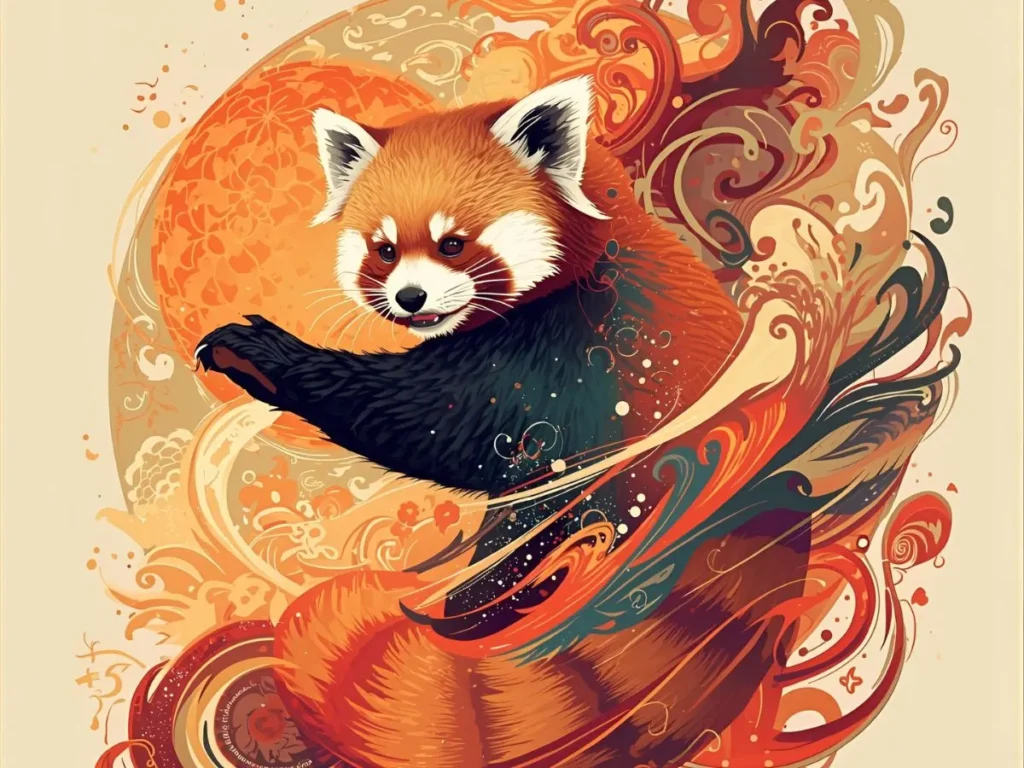
The red panda in Turning Red is more than a cute animal — it’s a powerful symbol of female empowerment, ancestral wisdom, and emotional growth.
In the film, the red panda is passed down through generations of women in Mei’s family. This ties the creature to ancestral energy, spiritual lineage, and family bonds.
Spiritually, the red panda becomes a bridge between past and present, reminding you of your roots while helping you grow.
Symbolically, the transformation happens when Mei feels strong emotions. This shows us that our emotions are not weaknesses — they are sacred tools for change.
The red panda is not to be tamed but to be understood. If you’re resonating with Mei’s journey, the red panda may be inviting you to:
- Honor your past.
- Accept your wild side.
- Stop hiding your heart.
Red Panda Symbolism China
To clarify again, in China, red pandas are not only adorable — they’re seen as rare, mystical creatures.
Though not often mentioned in ancient texts, in folklore and nature-based spiritual beliefs, red pandas are associated with:
- Shyness: Encouraging introspection and the value of quiet time.
- Forest Guardianship: A sign to reconnect with nature.
- Emotional Intelligence: A subtle nod to handling emotions with calmness.
Red pandas are also solitary animals, which speaks to the spiritual journey of self-discovery.
In Chinese thought, they reflect stillness, mindfulness, and graceful living.
Red Panda Symbolism Meaning
What does it mean when you keep seeing red pandas or feel drawn to them?
Here are the spiritual meanings of red panda symbolism:
- Balance – They walk the line between play and stillness, urging us to find peace in our lives.
- Emotional gentleness – Red pandas remind us that it’s okay to feel deeply, but we must respond with softness.
- Protection – They live in high-altitude forests, reminding us to raise our spiritual awareness and protect our inner peace.
- Uniqueness – With their fiery fur and gentle ways, they invite us to celebrate our individuality without fear.
When a red panda shows up, it may be a spirit sign that it’s time to pause, reflect, and listen to your soul.
Red Panda Symbolism in Chinese Culture
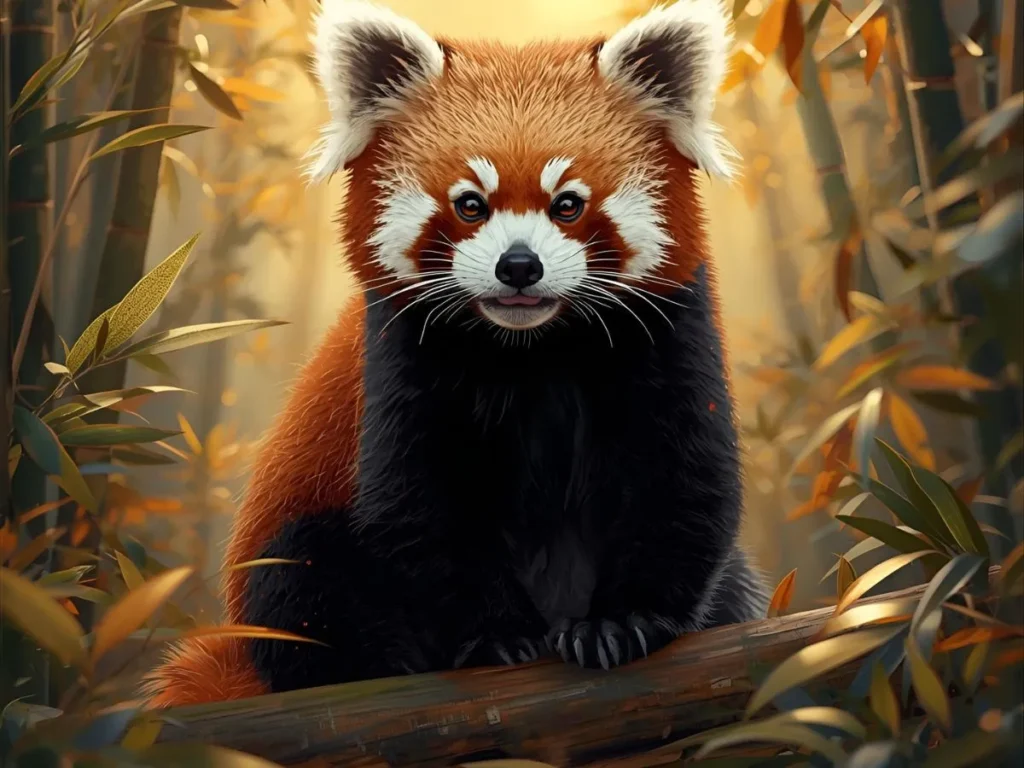
In deeper Chinese symbolism, red (the color) is sacred. It stands for luck, joy, and life force. So a red-colored animal, like the red panda, carries amplified energy.
Spiritually, it’s like a beacon for good fortune and personal awakening.
While the giant panda reflects unity and peace, the red panda symbolizes sacred solitude.
It teaches us the value of being alone without feeling lonely, and how to trust ourselves in times of uncertainty.
In Daoist and Buddhist thought, which both influence Chinese culture, animals like the red panda point to the importance of flowing with life, rather than forcing it. Their message is simple:
“You are enough, exactly as you are.”
Turning Red Panda Symbolism
The “turning red panda” — the version of the creature seen in transformation or change — carries its own spiritual message:
- Transformation is sacred – Growth can feel chaotic, but it’s part of your divine path.
- Embrace your inner child – Don’t run from the playful, emotional parts of yourself.
- Feel deeply, love boldly – Let your emotions move through you instead of holding them in.
If you’re going through change, puberty, emotional ups and downs, or spiritual awakening, this red panda version is appearing as a friendly guide. Its presence says:
“It’s okay to be messy. You’re learning. Keep going.”
Red Panda Symbolism Turning Red
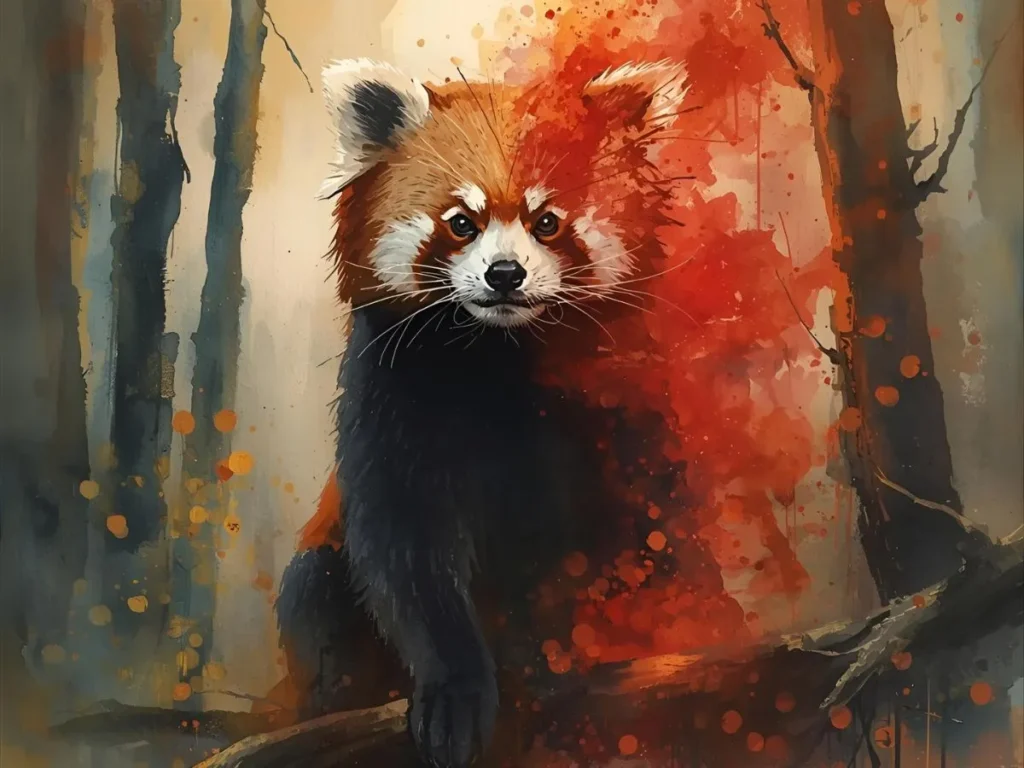
In the movie’s climax, Mei chooses to keep her red panda spirit rather than lock it away. That’s a major spiritual moment.
This choice teaches us something powerful:
You don’t have to reject your wild, emotional, or different self to be loved.
Red panda symbolism in Turning Red encourages:
- Radical self-acceptance
- Healing generational pain
- Being okay with not being perfect
Spiritually, the red panda helps us release shame and step into emotional freedom.
Real-Life Red
Here are three quick, relatable examples of how red panda symbolism might show up in daily life:
1. You Dream of a Red Panda Nestled in a Tree
This dream is calling you to pause and reconnect with your quiet inner voice. It may be time to retreat, reflect, and recharge.
2. You Keep Seeing Red Panda Images After a Big Life Change
This is a spiritual sign of transformation. The red panda is encouraging you to embrace your new self and stop fearing change.
3. Your Child Is Drawn to Red Pandas
Children are naturally spiritual. If your child loves red pandas, it could be a sign they need emotional gentleness, safe boundaries, or freedom to express their true self.
FAQs
1. What does it mean if I keep seeing red pandas?
It’s a sign to slow down, honor your emotions, and embrace your uniqueness. Spiritually, the red panda is guiding you toward peace and emotional healing.
2. Are red pandas spiritual symbols in any culture?
Yes. In Chinese culture, they represent balance, gentleness, and solitude. In modern films like Turning Red, they symbolize emotional transformation.
3. What does the red panda represent in dreams?
Red pandas in dreams often mean it’s time to slow down, be present, and honor your emotional truth.
4. What can I learn from the red panda spiritually?
You can learn to:
- Move gently through life
- Protect your energy
- Embrace who you are, even during change
Conclusion:
The red panda symbolism speaks in soft tones — it doesn’t shout.
It teaches in quiet moments, through stillness, through the warmth of presence. And sometimes, that’s exactly what we need.
Whether you’ve seen one in nature, connected with one in a movie, or felt something shift inside you just reading about them, know this:
The red panda is a reminder that your softness is your strength.
You don’t need to rush.
You don’t need to be loud to be powerful.
You just need to be you.
When red panda energy enters your life, it’s like a gentle hug from the universe — a sign that it’s safe to rest, feel, grow, and be beautifully, unapologetically human.